
What you can do
Bears typically avoid people but come into populated areas in search of food.
Bears have an exceptional sense of smell, strong memory, and impressive problem-solving abilities.
When a bear obtains food from human sources, it quickly learns to associate food with people and urban areas. Once rewarded, a bear may return to the same location repeatedly—even after long periods of time. After finding food from one type of source, it may begin to associate all similar items with food.
For example, a bear that accessed food from a cooler may investigate all coolers. A bear that found food in a vehicle may begin checking other cars. The same is true for decks, bird feeders, grills, trash cans, and anything else that smells interesting.
A bear that finds food in one yard or neighborhood will often expand its search to nearby areas, increasing its presence in town and raising the likelihood of conflict.
Urban environments and unsecured trash are dangerous for bears.
In town, bears can encounter a wide range of hazards—cars, electric utility poles, sharp or indigestible items in garbage, dogs, people, and other risks they would not face in natural habitat.
When bears become comfortable in urban environments, they can become habituated, losing their natural fear of humans. This increases the chance of conflict and often has lethal consequences for the bear.
For these reasons, it is essential to discourage bears from entering human areas by keeping trash and other attractants secured. Keeping bears out of town helps keep them wild, safe, and alive.
Actions you can take:
Remove or secure all attractants
Attractants include: trash, food waste, bird seed (in feeders and on the ground), hummingbird feeders, pet food, beehives, unharvested fruit, fallen fruit on the ground and uncleaned grills.Secure trash and compost
Store in bear-resistant containers or a secure structure such as a garage or shed.
Occasionally clean out your trash can with bleach and water to reduce odors.
Thoroughly clean recyclables before placing in a recycle bin.
Remove bird feeders from April - November
Bears can be active at all hours. Hanging flower baskets and bird baths are great for attracting birds and not bears.Secure all domestic and livestock feed in a bear-resistant container or enclosure.
Remove fruit from tree before it ripens and remove any fallen fruit
Contact your local gleaning group, if one exists, or invite neighbors and friends over to help harvest.Clean grease traps and burn off excess foods from your outdoor grill.
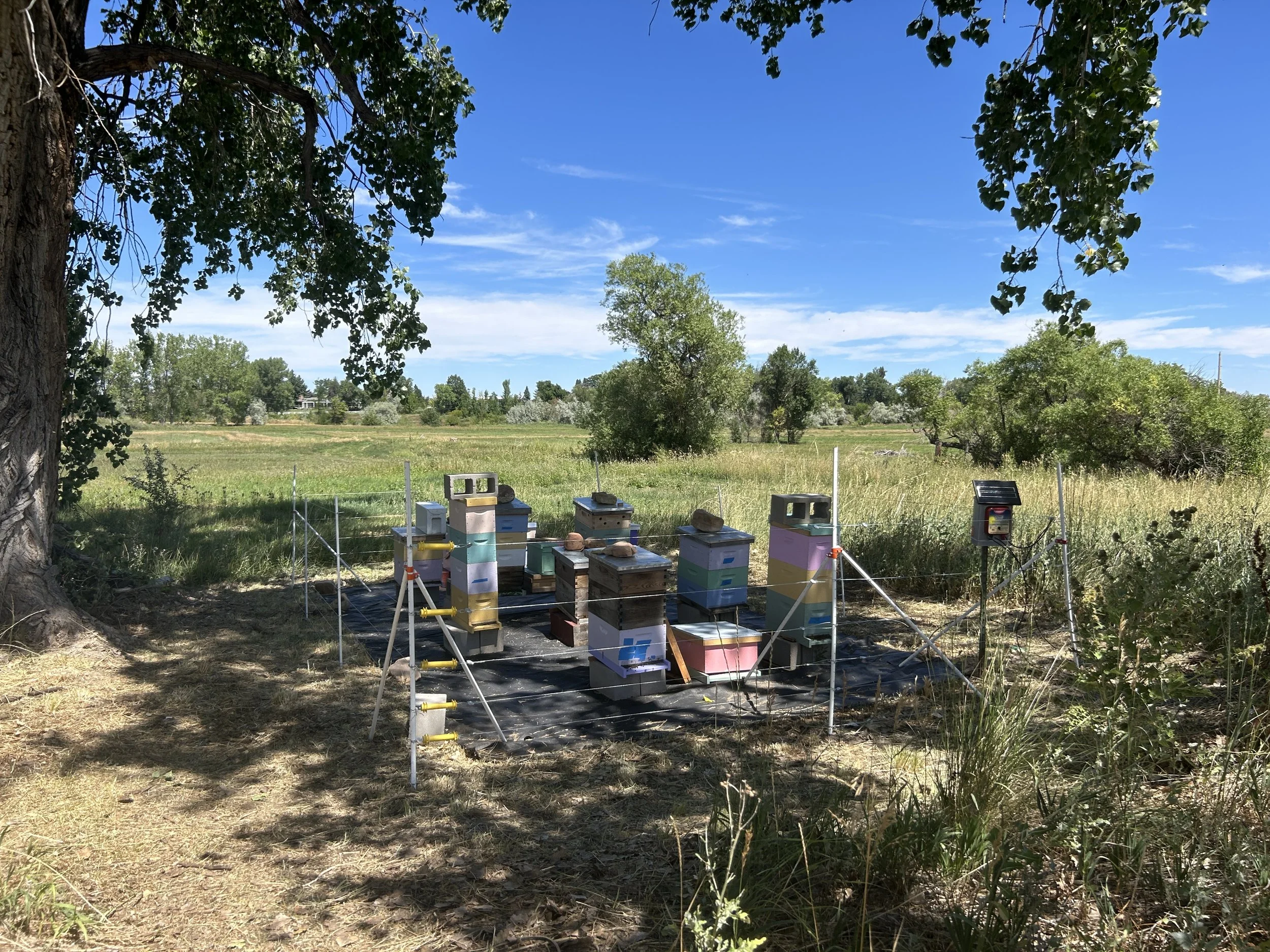
Install electric fencing around livestock and beehives.
Use “unwelcome mats” to deter bears from entering homes or structures or to discourage a specific bear from a repeat offense. Need to borrow one-let us know!
Keep doors closed and locked, even if you are home.
Replace exterior lever-style door handles with round knobs.
Close car windows completely and lock doors.
Bears are experts at getting into cars but not so great at getting out -often needing help to escape. The result? A totaled car and one very stressed-out bear.
Watch Bears in Cars courtesy Yosemite National Park.
If you see a bear on your property or in your neighborhood:
First, leave the bear alone and assess the situation.
If either you or the bear is in imminent danger, call 911, animal control, the sheriff or local law enforcement.
Do not corner the bear. Ensure that that bear has an escape route.
Evaluate if it is safe to haze the bear. That is, be sure you are in a safe location and that you can retreat if the bear moves closer. Never haze a bear if it is in a tree, has no escape route or if it might move towards people or cars. Hazing can include banging pots and pans, blowing a horn, clapping hands or shining a light.
Remove all attractants immediately (as long as it is safe to do so).
Alert your neighbors so they can do the same.
Bring in all household pets.

Most importantly, it is our responsibility not to invite or entice bears into our neighborhoods.
We must all work together to keep bears wild.
Bears learn quickly, and one food reward can have lethal consequences for bears. Hazing or relocating bears is effective only when all trash or other attractants are removed or secured from the area. Otherwise, that bear or another will be back.
Thank you for doing your part to keep Colorado’s black bears wild!